


How to Optimise Your Home's Air Conditioning System for Summer Efficiency
Are you dreading your next electricity bill as summer approaches? Have you ever wondered if there's a smarter way to keep your home cool without watching your energy costs skyrocket? Perhaps you're questioning whether your current air conditioning setup is working as hard for you as it should be?
For Australian homeowners, summer efficiency isn't just a nice-to-have; it's essential. With temperatures regularly soaring above 35°C in many parts of the country, your air conditioning system becomes your best mate during those scorching months. But here's the thing: running your AC inefficiently can cost you hundreds of dollars more than necessary each summer season.
In this guide, we'll walk you through everything you need to know about getting the most from your air conditioning in Rosebud and beyond. From understanding the difference between inverter and non-inverter systems to practical aircon saving tips you can implement today, we've got you covered. You'll discover the best AC setting to save energy, learn how to reduce AC consumption without sacrificing comfort, and find out whether keeping your air conditioner on all day actually makes sense. Let's get stuck into making your summer both comfortable and affordable.
Understanding Your Air Conditioning System
Before you can optimise your AC, you need to understand what you're working with. Not all air conditioners are created equal, and knowing your system's capabilities is the first step toward better efficiency.
Inverter vs Non-Inverter Air Conditioners: What's the Difference?
The main difference comes down to how the compressor operates. Non-inverter units work on a simple on/off principle; they run at full capacity until the room reaches your desired temperature, then switch off completely. When the temperature rises again, they kick back on at full power.
Inverter air conditioners, on the other hand, are much smarter. They adjust their compressor speed continuously to maintain your set temperature. Think of it like cruise control in your car versus constantly accelerating and braking. This smoother operation means less energy waste and more consistent comfort throughout the day.
What Makes the Most Efficient Inverter Air Conditioner Stand Out?
The most efficient inverter air conditioner combines variable speed technology with smart features like sleep modes, programmable timers, and advanced sensors. These units can reduce energy consumption by up to 30% compared to their non-inverter counterparts.
Look for models with high energy star ratings; the more stars, the better the efficiency. Premium inverter units also offer quieter operation and faster cooling, which means less time running at high capacity. When shopping for an energy-efficient AC unit, pay attention to the seasonal energy efficiency ratio (SEER) ratings as well.
How to Identify if Your AC Unit is Energy Efficient
Check your unit's energy rating label; it's usually found on the front panel or in your user manual. Modern energy-efficient air conditioning units will display between 2 and 10 stars. Additionally, look at your electricity bills during the summer months. If you're seeing dramatic spikes compared to other seasons, your unit might be working harder than it should.
What is the Energy Efficient Temperature for Air Conditioning?
Finding the sweet spot for your thermostat setting is crucial for balancing comfort with cost savings.
The Best AC Setting to Save Energy in Summer
Here's a game-changer: the energy-efficient temperature for AC sits between 24°C and 26°C during summer. Every degree cooler than this range increases your energy consumption by approximately 10%. So, setting your AC to 20°C instead of 25°C could mean paying 50% more on your cooling costs.
The efficient temperature for air conditioning also depends on humidity levels. On humid days, you might feel comfortable at 25°C, while dry heat might require dropping to 24°C. Many modern units have auto modes that factor in both temperature and humidity for optimal comfort.
Does Keeping Your Air Conditioner on All Day Use More Power?
This is one of the most common questions homeowners ask. The short answer? It depends on your system type. For inverter units, keeping your air conditioner on all day can be more efficient than constantly switching it on and off. The unit maintains a steady temperature with minimal energy fluctuations.
However, for non-inverter systems, this approach typically wastes power. These units are better suited to being turned on only when needed, as they consume the same amount of energy whether they're maintaining temperature or cooling down a hot room.
How to Use a Non-Inverter Aircon to Save Electricity
If you've got a non-inverter system, don't worry, there are still plenty of ways to maximise efficiency.
Smart Scheduling and Timer Settings
The best way to run air conditioner units of the non-inverter variety involves strategic timing. Use the built-in timer to start cooling your home about 30 minutes before you arrive. This prevents the unit from battling extreme heat when you walk through the door.
Set the timer to switch off during cooler evening hours or when you're heading to bed. Pre-cooling your bedroom before sleep means you can turn the unit off and enjoy residual coolness throughout the night.
Zoning Strategies for Non-Inverter Units
Focus on cooling occupied spaces only. Close doors to unused rooms and direct airflow where it's needed most. This concentrated approach means your non-inverter unit reaches the target temperature faster and cycles off sooner.
Practical Air Conditioning Tips for Maximum Efficiency
Small daily habits can make a significant difference to your power bills.
How to Save Electricity When Using Aircon: Daily Habits That Work
Understanding how to save electricity using AC starts with simple behavioural changes. Close blinds and curtains during the hottest parts of the day; this alone can reduce heat gain by up to 45%. Avoid using heat-generating appliances like ovens and dryers during peak cooling hours.
Keep interior doors open in air-conditioned zones to promote airflow. Also, dress appropriately for summer. Wearing light clothing allows you to set your thermostat a degree or two higher without sacrificing comfort.
Aircon Saving Tips for Every Room in Your Home
Different rooms have different cooling needs. Bedrooms generally require cooler temperatures for quality sleep, while living areas can sit slightly warmer. Use portable fans in conjunction with AC to circulate cool air more effectively.
In kitchens, run exhaust fans while cooking to remove excess heat. For home offices, consider a small desk fan to create a personal cooling zone, allowing you to raise the overall room temperature.
The Best Way to Run Your Air Conditioner During Heatwaves
During extreme heat events, pre-cool your home in the early morning when it's still relatively cool outside. This gives your AC a head start before temperatures peak. The best way to run air conditioner systems during heatwaves also involves closing up your home completely, no opening windows "for fresh air," as this lets hot air flood in.
How to Reduce AC Consumption Without Sacrificing Comfort
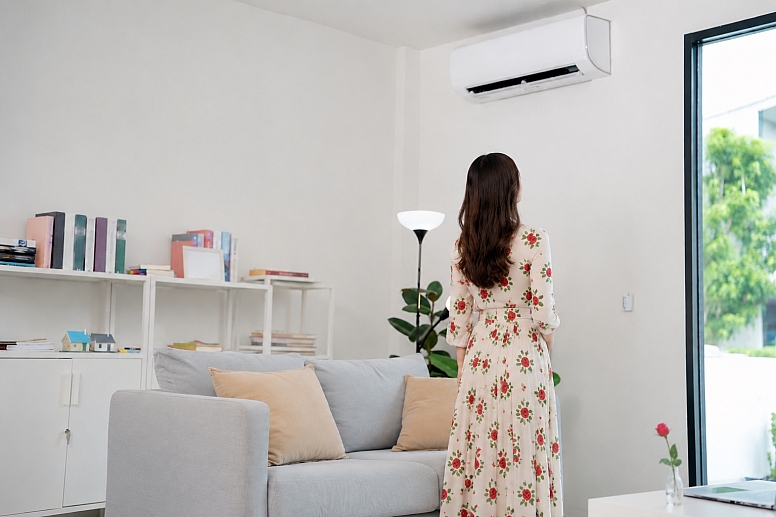
The best way to save electricity with an AC involves looking beyond just the unit itself.
Optimising Airflow and Vent Placement
Make sure furniture isn't blocking your vents or return air grilles. Obstructed airflow forces your system to work harder. Check that outdoor units have adequate clearance from plants and debris; at least 60cm on all sides allows proper heat dissipation.
Using Fans to Complement Your Air Conditioning
Ceiling fans and pedestal fans create a wind-chill effect that makes you feel cooler without lowering the actual temperature. Running a fan alongside your AC allows you to raise the thermostat by 2-3°C while maintaining the same comfort level, a significant saving.
Sealing Gaps and Improving Home Insulation
Draughts around windows and doors can account for up to 25% of heating and cooling losses. Use weatherstripping and door seals to prevent conditioned air from escaping. Proper ceiling insulation is equally important, as heat rises and can escape through poorly insulated roof spaces.
What is the Best Way to Air Condition a House?
Choosing the right system for your home is fundamental to long-term efficiency.
Ducted vs Split Systems: Which is More Power Efficient?
For whole-home cooling, ducted systems offer convenience but can be less efficient if you're only using certain rooms. Split systems allow targeted cooling of specific areas, making them the power-efficient air conditioner choice for many households.
The best way to air condition a house depends on your home's layout and your lifestyle. If you're home all day and use multiple rooms, ducted might make sense. If you work from home in one room, a split system is likely more economical.
Choosing the Most Energy-Efficient Air Conditioner for Your Space
Size matters enormously. A unit that is too small will run constantly trying to cool your space, while an over-kill one will keep cycling on and off too often. Both will cause energy to be wasted. Have a professional calculate the correct capacity for your rooms based on size, insulation, window placement, and ceiling height.
Essential Maintenance for an Energy-Efficient AC Unit
Regular maintenance keeps your system running at peak performance.
Filter Cleaning and Replacement Schedules
Dirty filters restrict airflow and force your unit to work harder. Clean or replace filters every 4-6 weeks during heavy use periods. This simple task can improve efficiency by up to 15%.
When to Call a Professional for Servicing
Annual professional servicing is recommended before summer hits. Technicians will check refrigerant levels, clean coils, inspect electrical connections, and identify potential issues before they become expensive problems.
Staying Cool and Saving Money This Summer in Rosebud
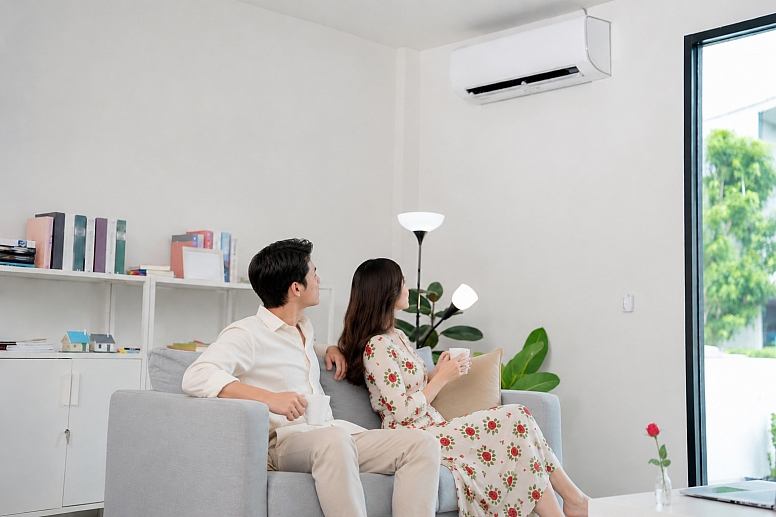
Making your air conditioning work smarter isn't complicated; it just requires a bit of knowledge and some simple habit changes. From setting your thermostat to the optimal 24-26°C range to understanding how your specific system operates best, every small adjustment contributes to meaningful savings.
The key takeaways are clear: invest in regular maintenance, use complementary cooling strategies like fans and proper insulation, and choose the right system for your specific needs. Whether you're running the most efficient inverter air conditioner or making the best of an older non-inverter unit, these AC power-saving tips will help you stay comfortable without the bill shock.
As summer approaches in Rosebud, now's the perfect time to implement these strategies. Your wallet will thank you, and you'll enjoy a cooler, more comfortable home all season long. Here's to a brilliant summer without the energy stress!
LEAVE A COMMENT
Categories
Recent Posts









0.0639